Humanities

A Culture of Care: Community and Environmental Stewardship in Baja California

Mary K. Thayn

Utah State University

This paper analyzes community-oriented models of environmental stewardship in Baja California, Mexico, through the lens of relational environmental care. Based on field observations in Loreto, La Paz, and San Carlos, alongside conversations with local tour guides, the study documents how ecological responsibility is embedded in cultural practices, regulatory frameworks, and grassroots initiatives. Case studies include resistance to fossil fuel infrastructure (“Ballenas o Gas”), conservation-oriented public art, the statewide ban on single-use plastics, and access restrictions at Balandra Beach. Findings indicate that environmental care in Baja California is not primarily technocratic or individualistic but emerges as a collective ethic rooted in place-based knowledge, community identity, and intergenerational responsibility. This research contributes to environmental studies by illustrating how locally grounded forms of stewardship can provide an alternative to dominant policy and market-driven approaches, suggesting the value of relational frameworks for advancing sustainable governance in diverse contexts.
Conservation's Double Edge: Roosevelt, Muir, and the Struggle for Equitable Wilderness

Shiva Narayan

Mt. San Jacinto College

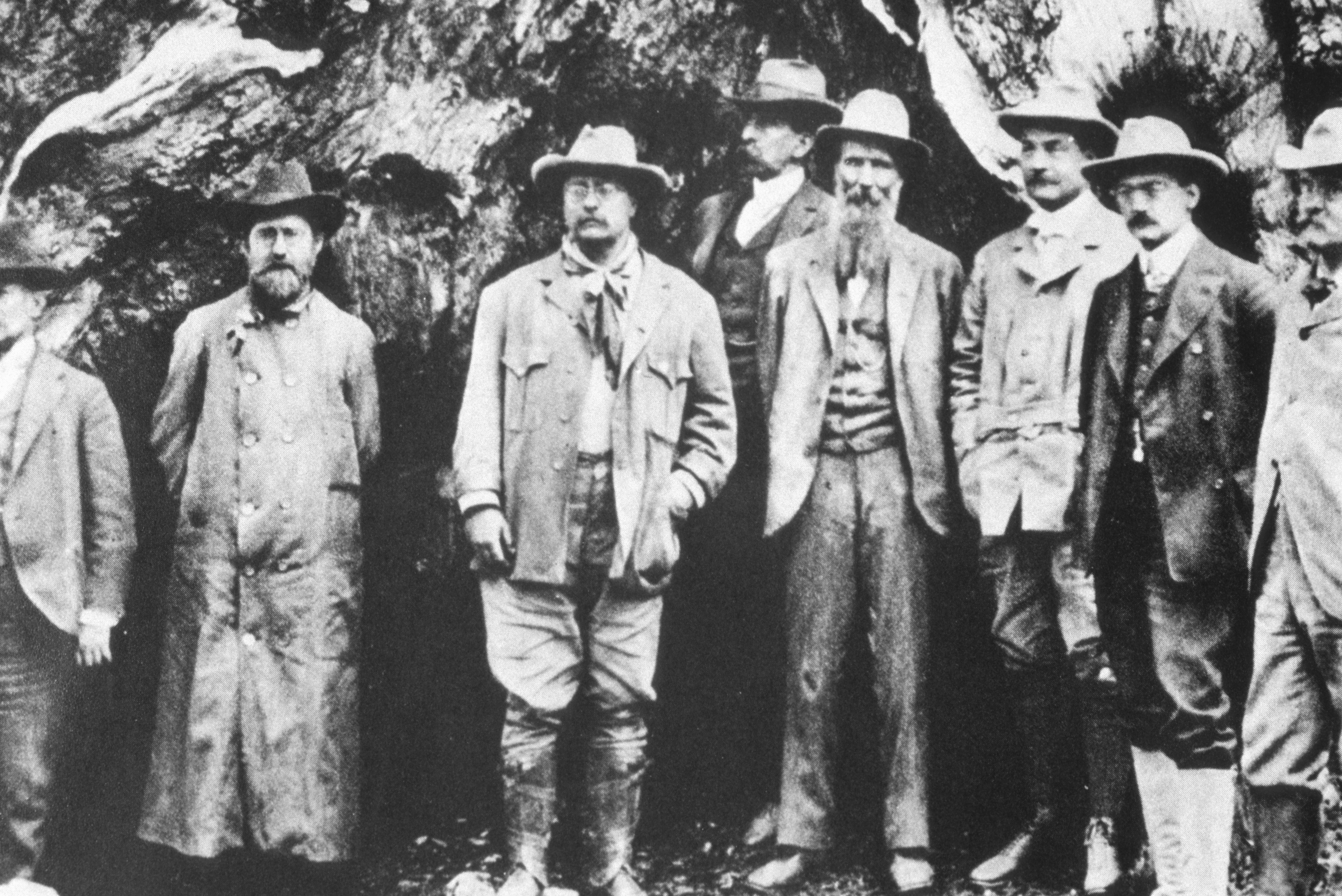
This research examines the collaboration between Theodore Roosevelt and John Muir in shaping the early 20th-century American conservation movement, highlighting its dual legacy of environmental progress and social exclusion. Drawing on historical analysis and scholarly sources, the paper explores how their partnership elevated wilderness preservation to a national priority, leading to the establishment of national parks, forests, and protective legislation such as the Antiquities Act of 1906 and the National Park Service in 1916. However, it critiques the underlying narrative of wilderness as an uninhabited, pristine space, which systematically erased the presence and stewardship of Indigenous peoples—like the Yosemite Miwok and Blackfeet—and marginalized communities, including African Americans and poor immigrants, through forced displacements and cultural erasure rooted in 19th-century ideologies of Manifest Destiny and racial superiority. The study analyzes case studies from U.S. national parks (e.g., Yellowstone and Yosemite) and global comparisons (e.g., Australia’s Uluru-Kata Tjuta and New Zealand’s Te Urewera), emphasizing the broader implications for Indigenous rights and the need for inclusive reforms. Ultimately, it advocates for reconceptualizing parks as cultural landscapes, implementing co-management agreements, and integrating traditional ecological knowledge to foster equitable conservation policies that benefit both nature and historically marginalized groups.

America’s Response to Italian Subjugation of Ethiopia: Black Mobilization vs. Government Neutrality

Chloe Melton

Georgia College & State University

Italian annexation of Ethiopia during the second Italo-Ethiopian war sparked outrage amongst black populations in the United States. While President Franklin D. Roosevelt and Secretary of State Cordell Hull were passing Neutrality Acts to preserve isolationism, Benito Mussolini was gaining a free hand in Ethiopia to subjugate one of the only remaining independent African countries. The warfare reigned onto Ethiopia warranted more of a response from the American government, and many African Americans pleaded that the government take a more active stance on the matter. These pleas fell on deaf ears. Black citizens who wanted to fight militaristically for Ethiopia would risk their citizenship by doing so. Still, African American organizations and communities came together to raise money, send medical supplies, boycott Italian goods, and spread awareness. Through the press, the American public was able to make sense of the conflict. While these reactions did not result in a victory against Mussolini’s regime, African American mobilization in response to the Italo-Ethiopian war heightened black nationalism in America and drew more attention to imperialist causes which affected black populations abroad.


Hear Me Out: Improving Deaf Accessibility in the Salisbury University Educational Theater Program

MJ Marshall

Salisbury University

Although there is a large population of deaf and hard of hearing individuals across America, the population is often overlooked in terms of theater accessibility. Research revealed that theaters should be a welcoming and accessible Third Place, and most professional theaters provide accessibility options for deaf and hard of hearing patrons such as interpreters and captioning devices. However, there are limitations to current approaches, such as high ticket prices, extended travel times for patrons, and faulty captioning devices. In addition, there is a national shortage of interpreters, which makes such services expensive and causes a lack of availability for smaller local performances. To address these limitations, educational theaters can be an affordable, local option that is accessible to deaf and hard of hearing members of the community. Given that in Salisbury, Maryland, there are over 900 deaf and hard of hearing individuals, this project proposes a partnership between the Deaf Studies Minor and the Theater Departments at Salisbury University. This partnership will benefit the students, the university, and the local deaf and hard of hearing patrons. This model can be replicated at other educational theaters, promoting inclusion throughout the country.


On Death and Disease: How Physicians’ Perspectives Compare Across Specialties Through Written Work

Stephanie Anne C. Alkonga

Northern Illinois University

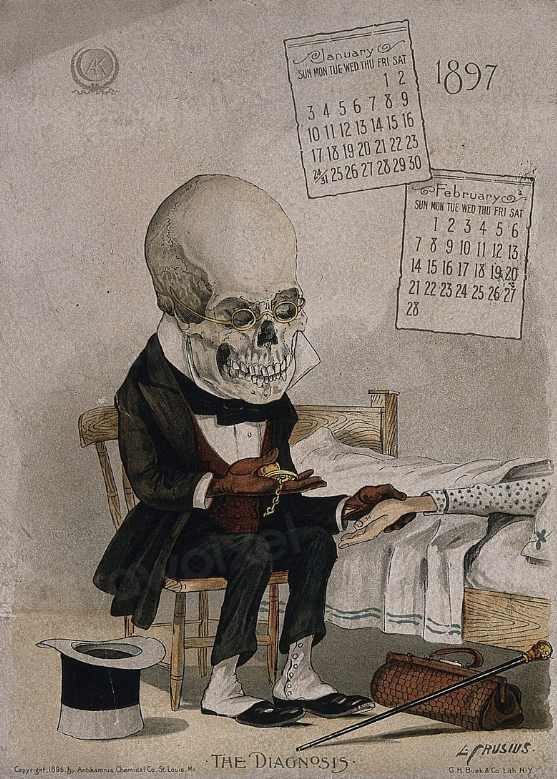
Narrative medicine is a tool that the medical field is increasingly utilizing to cultivate patient-centered and culturally competent doctors and to reflect on lived experiences through texts that focus on psychosocial best practices. This study aims to examine the language used in physician-written works that address how physicians in different medical specialties treat the aging and the terminally ill, and how they view the deceased. Qualitative data guided by thematic questions will primarily be used in the analysis and comparison of these texts’ tone, rhetoric, diction, and similar literary devices to uncover if certain patterns arise across such specialties. Findings show that different specializations do exhibit different attitudes regarding death in correlation with their role in medicine, as shown by, fundamentally, what they constitute as death and the various ideas they associate with it. However, ambiguity in death as a motif arises from the texts through various qualifications made by each author. Further analysis of more texts will follow along with the study’s implications for the greater medical community.

The Complexity of Barbarian Identity in Late Antiquity

Andrew Thompson

University of Kentucky

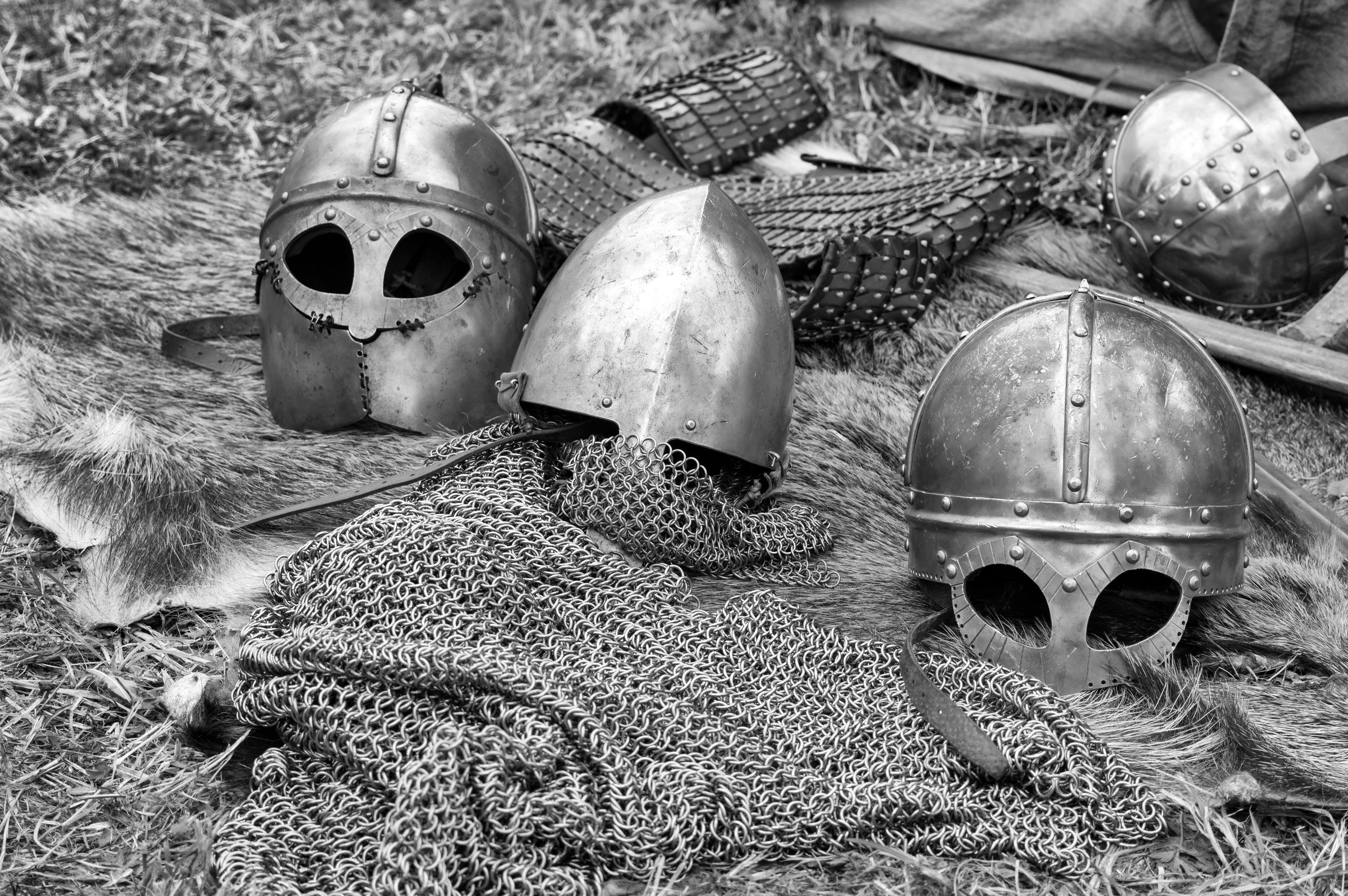
This paper challenges the oversimplified stereotypes of barbarian peoples in Late Antiquity that have been perpetuated by centuries of imperial, nationalist, and popular culture influences. Through examination of religious practices, political structures, military organization, and self-identification patterns, this study reveals that barbarian identity was far more complex and multifaceted than traditionally understood. Contrary to common assumptions about barbarian paganism, many groups such as the Goths and Visigoths embraced Christianity, as evidenced through artistic works like the mosaics of Ravenna and legal codes such as the Liber Iudiciorum. Similarly, Arab identity became intrinsically linked to Islamic faith through the Qur’an’s influence on ethnogenesis. Political organization varied significantly among barbarian societies, ranging from village headmen to hereditary kings to Christian bishops wielding both religious and temporal authority. Military structures additionally demonstrated diversity, with different groups employing distinctive weapons and tactics. Perhaps most significantly, barbarian self-identity proved remarkably fluid and multilayered, centered on nuclear families and clans rather than the external labels imposed by Romans. Many individuals simultaneously maintained multiple identities within confederations like the Alamanni and Franks, and some even identified with Roman culture itself. This analysis suggests that the concept of “barbarian” was largely a Roman construction, and that barbarian identity may be better understood as an extension of, rather than opposition to, Roman identity. This paper concludes that Rome, through its various interactions and influences, played a crucial role in creating the various barbarian identities it purported to encounter.

Highlights from previous editions

“Where Words Fail, Music Speaks”: The Experience of Adapting Literature to Music

Laney J. Fowle, Kyle Bishop, and Matthew Nickerson

Southern Utah University

Adaptation is a relatively new yet growing academic field consisting mainly of research on the modification of book into film. This study endeavors to expand the discourse on adaptation to the modal transformation of literary works to music. By using this specific adaptive type to examine the process and functionality of adapted works, I was able to address several key aspects of modern adaptation, including the hot-button issue of fidelity to an established source text, the role of adaptor as co-author, and the ability of solitary artistic modes to augment each other when combined. The resulting personal attempts at adaptation of a short poem to an accompanied vocal composition and an unaccompanied choral work were accomplished by the practical application of adaptive theory presented in several documents on the strategies behind the adaptive process. In using an experience-based approach, this study provides a hands-on look at the complex processes involved in adaptation and contributes to the growing body of adaptation research.

Jargons and Pidgins and Creoles, Oh My!

Emily Gray

University of Tennessee at Chattanooga

Linguistics, as defined by the Oxford English Dictionary, is “the science of studying language, including phonetics, phonology, morphology, syntax, semantics, pragmatics, and historical linguistics” (OED.com). Within this field, the study of pidgin and creole languages is the source of much controversy and disagreement. Due to their divergence from typical linguistic features and development patterns, pidgins and creoles have long been ignored by the linguistics community. Considered by many to be “inferior, haphazard, broken” versions of “older, more established languages,” these so-called “bastard tongues” were written off as unworthy of study (Todd 1). Only recently have these forms of language garnered interest from linguistic scholars known as Creolists. However, compared to their more respected and recognized counterparts, the study of pidgins and creoles remains incomplete. Modern Creolists are able to agree neither on the accepted definitions for the terms pidgin and creole nor on the status of a number of languages claiming to be either of the aforementioned terms (Muysken and Smith 3). While usually studied together, the terms pidgin and creole are used to distinguish between two very different and unique forms of speech and language (“The Origins of Pidgin” 1).

"So Dead and Bald" Destroys the World: A Psychological Critique of Object Metamorphosis in Infinite Jest's Game of Eschaton

R. Christian Phillips

Capital University

“Do not underestimate objects! . . . It is impossible to overstress this: do not underestimate objects” (Wallace 394). Even the most cursory reading of David Foster Wallace’s Infinite Jest reveals the importance of objects to this work. Objects affect and vigorously direct all the characters throughout, from the tennis balls being continuously squeezed by students at the elite Enfield Tennis Academy (ETA) to the veil Joelle van Dyne wears to the plethora of drugs being consumed and, most importantly, to the cartridge of James O. Incandenza’s final film, which is given the ultimate power of life and death over anyone unfortunate enough to view it. Yet, the twenty-two pages devoted to describing a single game of Eschaton–played by a group of pre-pubescent ETA students referred to as Combatants–most clearly expose how a simple object, or group of objects, can take on greater meaning and create devastating change for the individuals interacting with them. “A standout moment,” this game is described as “a mash-up of Model U.N., tennis, and calculus . . . that ends in broken bones, tears, and hilarity” (Holub). A psychological critique of the objects used during the Eschaton game reveals their metamorphosis from mere objects into Things that actively affect the Combatants and ultimately destroy this game of Mutually Assured Destruction (MAD) while drastically altering the real world lives of all those involved.

Painting the Negative Space: How Faulkner Silhouettes the Living Ghost of Flem Snopes

Jessica Franczi

Reinhardt University

Like porch lights, mosquito bites, and last-minute glasses of sweet tea, ghost stories are an experience innate to the South after dark. Whether or not a person believes them, these tales have the ability to characterize houses, streets, even entire cities. For the citizens of Frenchman’s Bend in William Faulkner’s The Hamlet, convoluted stories of Antebellum and Civil War ghosts permeate the area. Distracted by the buried men of the past, the people of Frenchman’s Bend fail to realize that they themselves are living in one of the most sprawling, epic ghost stories ever to unfold in Mississippi: the story of the rise of Flem Snopes. As Snopes, a veritable living ghost, wreaks havoc on the town with his invisible, untraceable hands, Faulkner offers his readers a valuable truth: sometimes, the only way to see a ghost is to observe its effect on others.